
Emergency Water Mitigation for Severe Roof Leaks
Nothing quite compares to the sinking feeling of hearing a steady, rhythmic drip coming from your ceiling during a torrential downpour. Here in Denton, we are well acquainted with the sheer force of extreme weather. When a severe storm rolls through, bringing heavy rain and hail, even a minor vulnerability in your roofing system can quickly escalate into a major interior leak. The panic that sets in is entirely understandable, but knowing how to respond in those critical first few hours can make all the difference in saving your home from catastrophic water damage.
When a roof fails during a storm, the damage rarely stops at the shingles. Water follows the path of least resistance, working its way through your underlayment, saturating your attic insulation, and eventually pooling on the backside of your drywall. If left unaddressed, this moisture can compromise the structural integrity of your home and introduce serious health hazards.
This is where water mitigation comes into play. Mitigation isn't just about throwing a bucket under a drip; it is a comprehensive, structured approach to stopping the spread of water, drying out the affected areas, and preventing secondary damage like rot and mold. In this guide, we will walk you through the essential steps to take when facing a severe roof leak, how to protect your living space, and why relying on an established local professional is your best defense against the unpredictable elements.
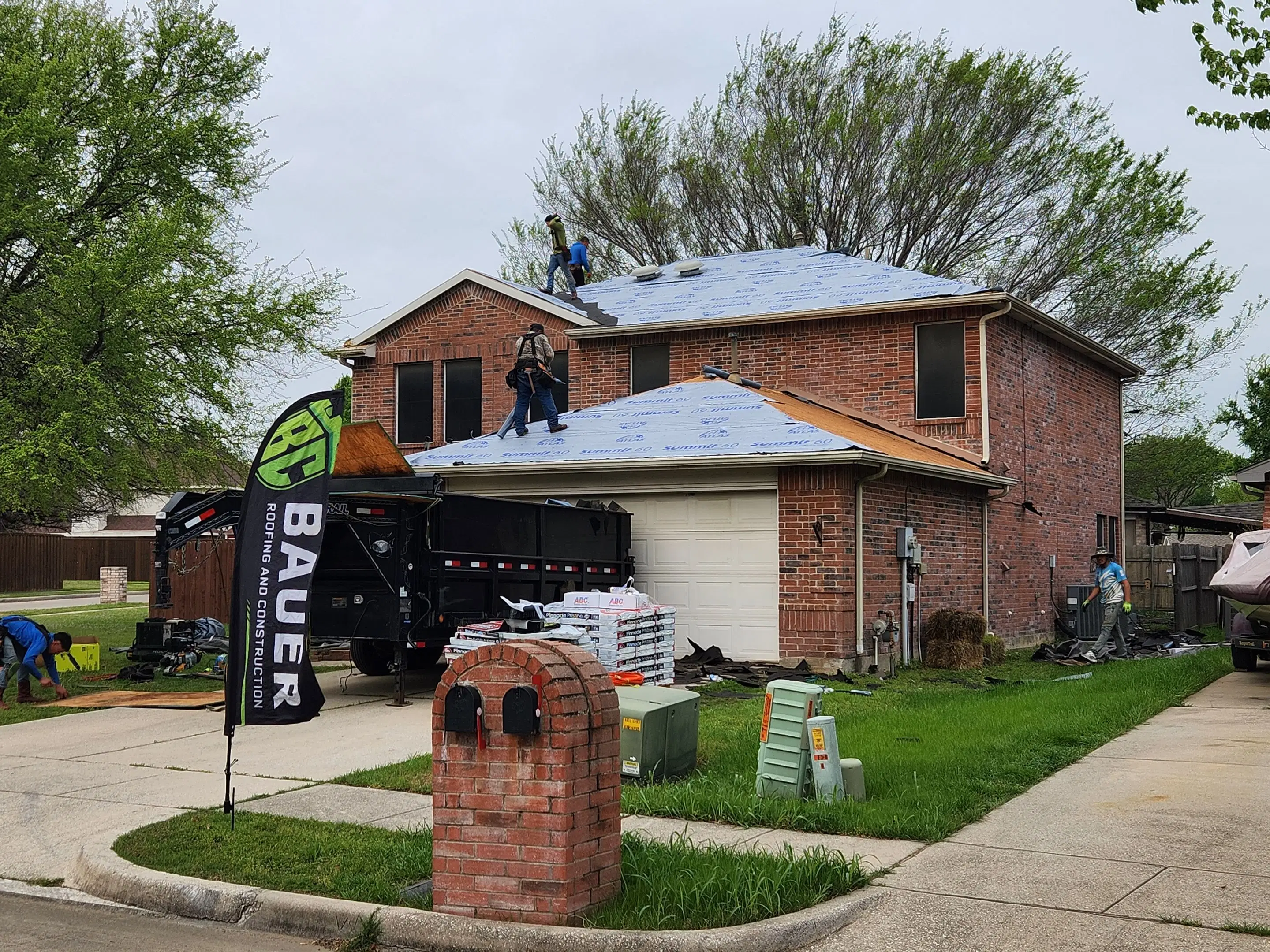
Immediate Steps to Stop an Active Roof Leak Inside Your Home
If you discover water dripping from your ceiling, your first priority is safety and containment. While you cannot safely climb onto a wet, slippery roof in the middle of a thunderstorm to fix the source, there are several steps to stop an active roof leak inside your home from causing further destruction.
First, clear the area. Move furniture, electronics, and area rugs away from the leak. If an item is too heavy to move, cover it with a thick plastic drop cloth. Next, place a large bucket or a heavy-duty plastic storage bin directly under the drip to catch the incoming water. If the water is splashing out of the container, try pinning a piece of string to the ceiling right where the leak is occurring, allowing the string to drop down into the bucket. Water will naturally travel down the string, eliminating the messy splash.
One of the most intimidating things a homeowner can see during a severe leak is a growing, water-filled bubble in the ceiling drywall. While your instinct might be to leave it alone, that trapped water is heavy. If the pooling water becomes too heavy, the entire ceiling section could collapse, causing extensive damage and potential injury. To manage this, take a screwdriver or an awl and carefully poke a small hole in the center of the bubble. This will allow the water to drain out in a controlled stream into your bucket below.
Once the storm passes and it is safe for professionals to arrive, the focus shifts to comprehensive water mitigation. This specialized process involves using commercial-grade extraction equipment, dehumidifiers, and air movers to thoroughly dry out the structural elements of your home. Proper mitigation is non-negotiable if you want to save your underlying framing and subflooring.
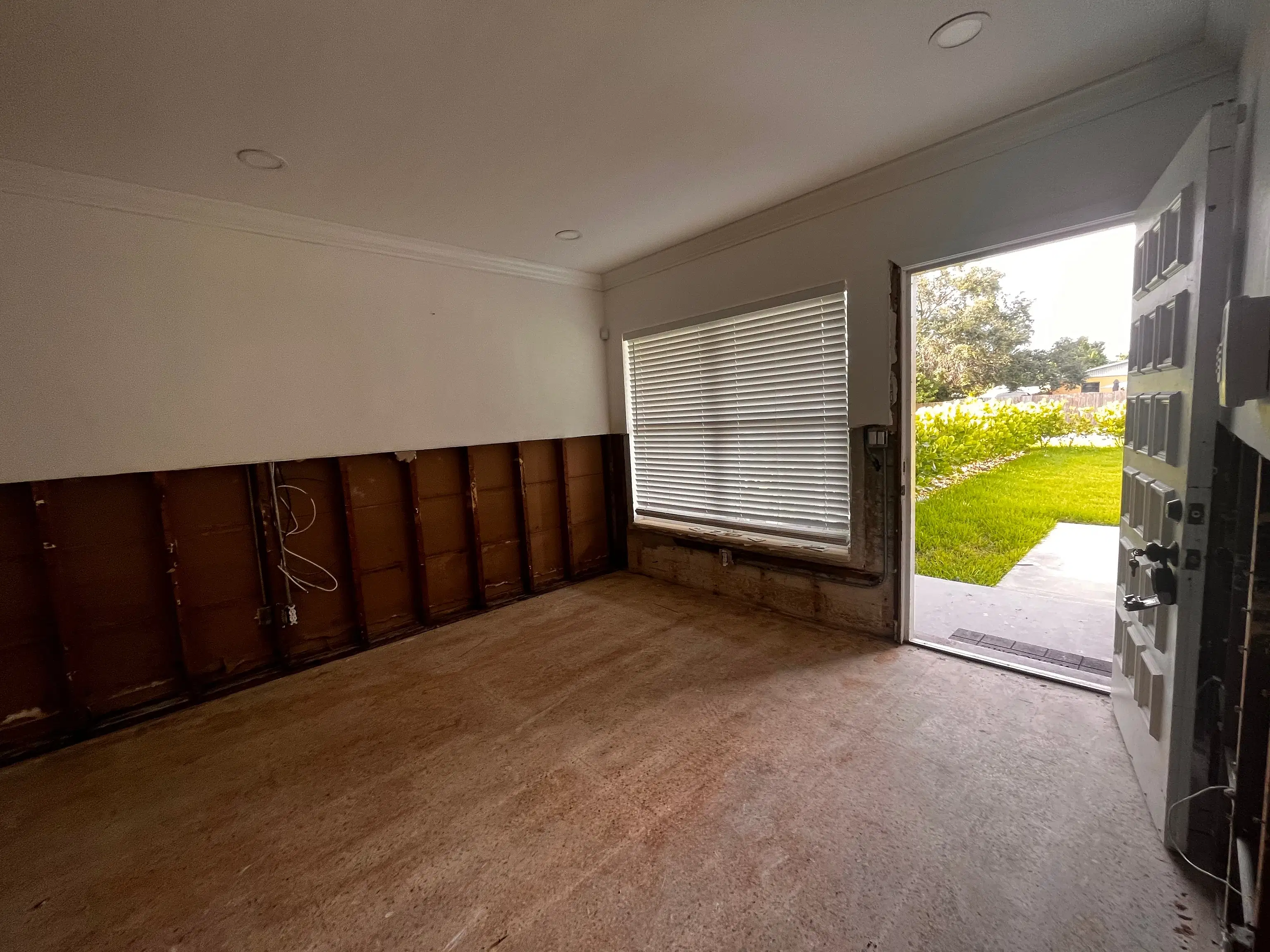
The Threat of Mold and Proper Interior Restoration
One of the most critical reasons to act swiftly with mitigation is the threat of secondary damage, primarily mold. Preventing mold growth from attic roof leaks requires completely removing the moisture source and properly ventilating the saturated areas. Mold spores can begin to multiply within 24 to 48 hours of water exposure in a warm environment. Given our notorious North Texas weather, an unmitigated attic leak can turn into a severe mold infestation in a matter of days.
Once the water has been completely extracted and the area is certified dry, the next phase is restoring your living space. Drywall repair after storm water intrusion is rarely as simple as slapping on some joint compound and fresh paint. Saturated drywall loses its structural integrity and must be cut out and replaced. The insulation behind it will also need to be swapped out, as wet insulation becomes completely ineffective and can harbor mold.
This is why coordinating your roofing repairs with professional interior home repairs is so important. A cohesive approach ensures that every layer of the damage, from the missing shingles down to the baseboards, is restored to its pre-loss condition or better.
Navigating Insurance and Avoiding Storm Chasers
After a severe weather event tears through Hail Alley, it's incredibly common for neighborhoods to be flooded with out-of-state roofing companies. These "storm chasers" often knock on doors promising free roofs or offering to waive insurance deductibles. It is vital to know that under Texas House Bill 2102, it is strictly illegal for roofing contractors to waive, absorb, or otherwise rebate insurance deductibles. Reputable companies follow the law and operate with complete transparency.
Choosing a contractor with deep, established roots in the community ensures that the people who repair your home today will still be around to honor their warranties tomorrow. Local professionals understand the specific building codes, the best materials to withstand our intense summer heat, and the intricacies of navigating insurance claims.
Modern local roofers also leverage technology to your advantage. We utilize advanced drone inspections to quickly and safely assess storm damage. This provides high-resolution aerial imagery that is incredibly useful when compiling documentation for your homeowner's insurance adjuster. Having clear, undeniable proof of the damage streamlines the claims process and helps you secure the funds needed for proper restoration.
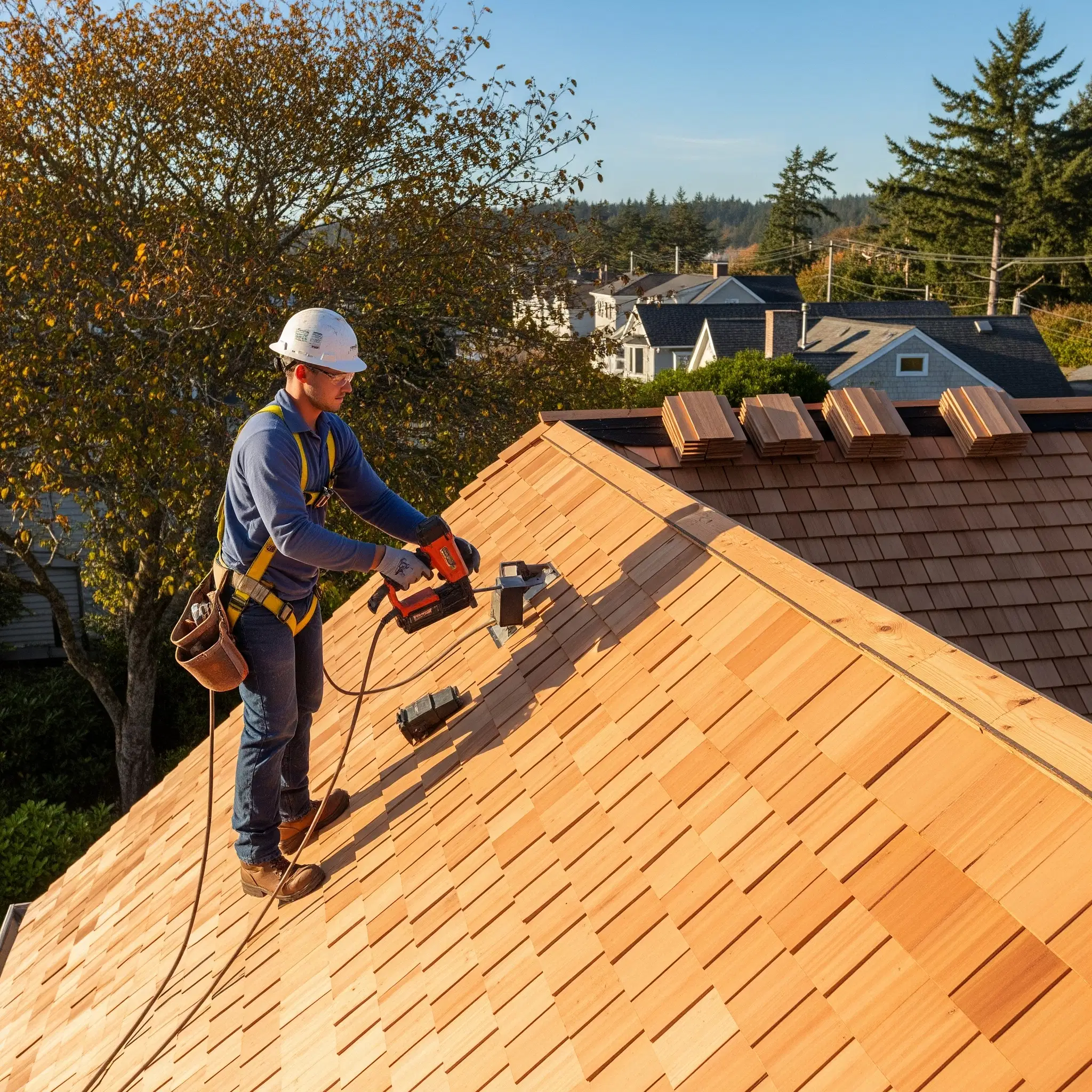
Securing Your Home for the Long Term
A sudden leak can force you to ask an important question: do you just patch the problem, or is it time for a full replacement? While emergency repairs are often necessary to immediately secure the property and stop the water, a comprehensive inspection is required to determine the overall health of your roof.
If your home has sustained widespread hail impacts or wind damage, patching a single leak might just be delaying the inevitable. An honest assessment will help you weigh the cost of repeated patchwork against the long-term peace of mind provided by a durable, impact-resistant roofing system. Investing in high-quality materials and enrolling in a routine maintenance program can catch minor wear and tear before it evolves into an emergency interior leak.
At Bauer Roofing and Construction, we understand that dealing with sudden home damage is overwhelming. From the moment you discover a leak to the final coat of paint on your new ceiling, our team is committed to providing reliable, expert guidance every step of the way. If a recent storm in Denton County has left your home vulnerable, don't wait for the damage to spread. Reach out to us for professional inspections, transparent quotes, and comprehensive restoration services designed to protect your most valuable investment.